





We’ve been helping drivers scrap salvage cars for years. With a nationwide network of trusted breakers and yards, what we bring to the table is fast quotes, free collections and fair prices wherever you are in the UK.
Our platform connects you directly with top-rated Authorised Treatment Facilities (ATFs) competing for your car’s scrap metal. You’ll get a personalised video quote from each one and can compare side by side. As the seller, that means better prices, more options, zero haggling and a more transparent experience from start to finish.
Sure, you could try towing your car to a local yard (expensive) or go through the hassle of fixing it up and listing it online (tedious). But that’s time-consuming, risky and not worth the effort unless you can turn a serious profit on it.

Central London or the middle of nowhere. Wherever you’re based in the UK, we’ll match you with a local salvage depot that offers competitive pricing and fast, free collection. Because we work with trusted scrap partners across the country, your quote is tailored to your exact location with no inflated fees or long-distance delays.
Finding a scrap buyer yourself? Expect to waste hours calling around, comparing prices and chasing availability only to walk away with less. With us, depots compete for your vehicle, so you always get the best deal without doing the legwork. Best of all, we handle de-registration, file the DVLA paperwork and issue the official Certificate of Destruction.
Our network of buyers wants your car because it holds value in parts repair and scrap metal. They work with us because we bring them qualified sellers day in and day out and our backend handles the logistics of quoting and scheduling. That translates into lower overhead for them and a better offer for you.
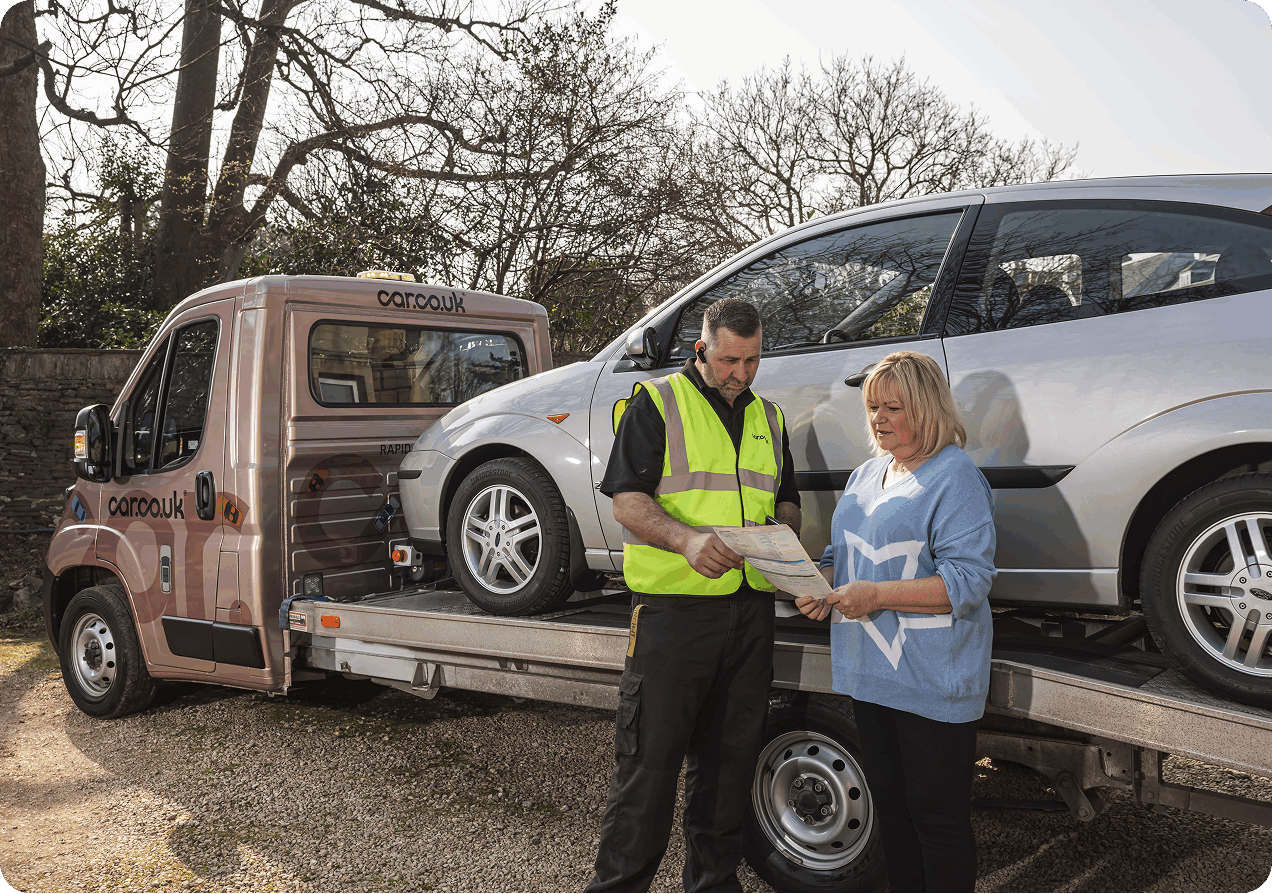
We don’t just deal with Cat A, B, S and N write-offs. We scrap non-runners, accident-damaged vehicles, high-mileage vans and any other kind of end-of-life vehicle. Whether your car’s older, damaged or simply not worth repairing and selling, our service is by far the fastest way to get it off your hands. Even if it’s stuck on a driveway or missing parts, we’ll take it. Since we work with fleets, we’re also the go-to solution for businesses that are modernising their fleet and need to scrap multiple vehicles.

A lot of scrap car services show you a nice high quote, then slash it later. Maybe there are “missing parts” or “damage not disclosed”. Maybe they don’t offer free collection but were careful not to show that. or “towing costs” as reasons to pay you less once they’ve already booked the collection. We don’t play that game with you.
You might not realise this, but the scrap value of your car doesn’t fluctuate much with condition. Whether it’s dented, won’t start, or has half a bumper hanging off, it still has value in its materials. That’s why even seriously damaged or “beyond saving” vehicles can get you a solid payout.
Because we’ve built direct relationships with licensed ATFs across the UK, we’re able to keep our own margins lean. That means more of the car’s value goes straight to you. Our pricing is upfront and transparent, and the process is fully automated to keep everything fair and efficient from start to finish.
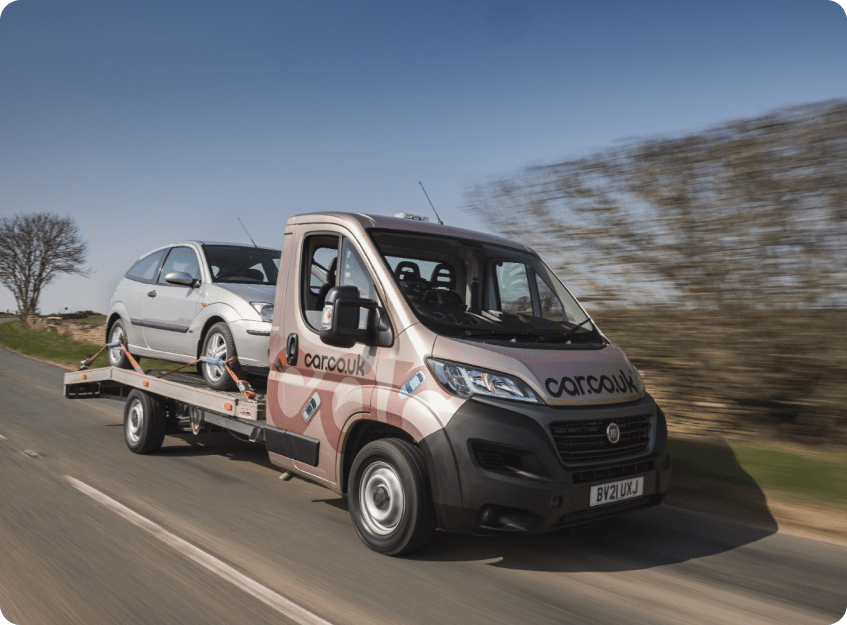
Now, if you’re doing it on your own, it’s a bit more involved. You’ll need to find a qualified buyer or scrap yard, get quotes or collect offers from a listing, arrange transport if the car’s not drivable and make sure you’ve got the right documents (i.e. the V5C).<br/>
And of course, you have to inform the DVLA when the car changes hands or is written off.
In 2013, the DVLA introduced that law to crack down on metal theft, so all legitimate scrap transactions have to be done via bank transfer or cheque. Through us, you’ll always be paid through a fast bank transfer.
There’s a whole section of the trade that makes a living flipping Cat S and Cat N cars. They know what they’re doing; they’ve got access to parts and body shops; they buy low, repair cheap and sell high. If you’ve got that kind of setup, selling it privately makes a lot of sense.<br/>
But remember that the insurance company already did the math and decided the car wasn’t worth fixing. So unless you’ve got some special angle or it’s a rare model, you’re likely looking at a lot of time, effort, and upfront costs that aren’t going to be worth the risk.<br/>
For most people, scrapping is faster, safer and often more profitable overall once you factor in time and logistics.
A small hatchback might get you a couple hundred quid. A heavier diesel or 4x4? You could be looking at £300 to £400. If it’s a salvageable Cat S or Cat N, and parts are in decent condition, you might get even more than pure scrap value.<br/>
Best way to find out? Just enter your reg and postcode on our site. We’ll give you a live quote based on your location and vehicle specs.
The good news is: if you sell through us, we only deal with buyers who already know the car is salvage, so there’s no awkward back-and-forth.
They’re not buying it to drive—they’re buying it for parts or scrap value, so the MOT status doesn’t matter. Just make sure you’ve got your V5C logbook or at least the V5C/3 slip so the paperwork’s clean and legal.
There’s no coming back from scrap; it’s the end of the line. Salvage might still have a second life. Scrap won’t.
So yeah, you can break it up or sell it whole as long as you're clear on the category and what’s legally allowed.
<b>Option one is the DIY route</b>. You strip the car yourself and sell parts individually — engine, gearbox, doors, lights, etc. You’ll also need to legally declare the car as off the road (SORN it). Once you’re done, arrange to have the shell collected and crushed by a licensed scrap yard.<br/>
It can make you more money in theory, but only if you know what you’re doing and have the time to wait for buyers.<br/>
<b>Option two is to sell the whole thing as a “spares or repairs” vehicle to a salvage buyer</b>. That’s where we come in. You just enter your reg and postcode, and we’ll connect you with local scrap yards who are specifically looking for damaged or non-runners to break for parts. They’ll collect it for free, pay you instantly and handle all the dismantling.
<br/>
If you're selling it privately as a Cat S or Cat N, you’ll need to list it online (like on Auto Trader or Gumtree), clearly disclosing the salvage status in your listing. Have the V5C logbook ready, alongside repair and insurance history to give buyers peace of mind. Once sold, you give the new keeper slip to the buyer and inform the DVLA that the car’s been sold.<br/>
Now, if the car’s beyond repair or not worth selling, the better option is to scrap it through an ATF. In that case, you hand over the V5C to the scrap yard, keeping the yellow section (V5C/3) to notify the DVLA you’ve scrapped the vehicle. The ATF will handle the rest, and you’ll get a Certificate of Destruction.
Most private buyers won’t even consider buying a car without the logbook because it just raises too many red flags. Even a lot of scrap yards will turn you away or offer you a lower price if you don’t have it because it complicates the DVLA process.<br/>
If you’ve lost it, you can apply for a replacement with a V62 form, which only takes up to 5 working days.
If you’re selling it privately though, you need to be upfront about the damage. Plenty of people buy Cat S and Cat N cars to repair and flip, but they’ll want to know what’s wrong before they commit.
If it’s a new, high-value car with light damage — something someone might want to repair and get back on the road — selling it privately might be worthwhile.<br/>
If it’s heavily damaged, not running or you just want it gone fast, then going straight to a salvage yard is the quicker, easier and more profitable move. You skip the faff and still get a fair price based on real scrap value.
We’ll sort that for you. When you enter your reg and postcode on our site, we match you with the best buyer near you based on price, availability and collection time.
Now, if the car’s been written off in an accident and it’s under finance, your insurance company will usually step in. They’ll pay out the market value of the car, and that money typically goes straight to the finance company to settle the debt.<br/>
If the payout is higher than what you owe, you’ll get the difference. If it’s lower, you might still owe a bit.
If you’re selling it privately, you need to fill out the new keeper section of the V5C and send it to the DVLA (or do it online). If you’re scrapping it through an Authorised Treatment Facility (like we use), you give them the logbook but keep the yellow V5C/3 slip and notify the DVLA that the car’s been scrapped.<br/>
Either way, letting the DVLA know is important. Otherwise, you could be hit with a £1,000 fine and still be held responsible for the vehicle, including fines and tax.
You’ll just want to make sure you’re dealing with a licensed ATF so it’s done legally. Ideally, one that’ll collect it for free and pay you instantly (like we do).